Device Keeps Transplantable Hearts Healthy During Transport
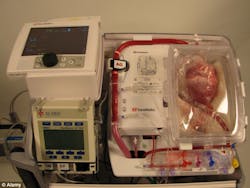
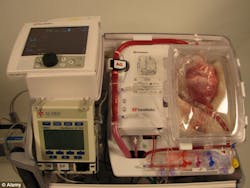
Like many other organs for transplant, a heart must be harvested from a brain-dead donor with a healthy, functioning body. During transport, the heart is stored at low temperatures to pause the heartbeat until implantation.
It’s been shown that the OCS has increased the number of transplants accepted by surgeons, as well as led to improved post-transplant outcomes. More acceptable donations will ultimately reduce the pre-implantation waiting period, and the cost of patient care.
The OCS HEART is commercially available in Europe and Australia, but not in the United States.
About the Author
Leah Scully
Associate Content Producer
Leah Scully is a graduate of The College of New Jersey. She has a BS degree in Biomedical Engineering with a mechanical specialization. Leah is responsible for Machine Design’s news items that cover industry trends, research, and applied science and engineering, along with product galleries. Visit her on Facebook, or view her profile on LinkedIn.
Voice Your Opinion!
To join the conversation, and become an exclusive member of Machine Design, create an account today!
 Leaders Logo
Leaders relevant to this article: