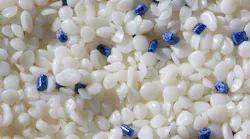
They are highly viscous, so molders can make larger and more-detailed automotive parts with thinner walls. The resins also need 30% lower injection pressure than competing PBTs, which reduces cycle times and system costs by increasing the number of mold cavities that can be filled in a single shot. High dielectric strengths and chemical and heat resistance (–40 to 284°) make the PBTs candidates for underhood and electrical parts. They come in a range of glass reinforcement levels with flame-retardant and hydrostable grades available.
GE Plastics,
One Plastics Ave., Pittsfield, MA 01201,
(800) 752-7842,
geplastics.com
About the Author
Sign up for our eNewsletters
Get the latest news and updates


Voice Your Opinion!
To join the conversation, and become an exclusive member of Machine Design, create an account today!
 Leaders Logo
Leaders relevant to this article: